Module 5. Feelings and bouncing back Age 12+
Stress and pressure
A bit of stress can help you rise to it. Too much needs sharing out.
Draft. The BELIEVE team is still checking this page.
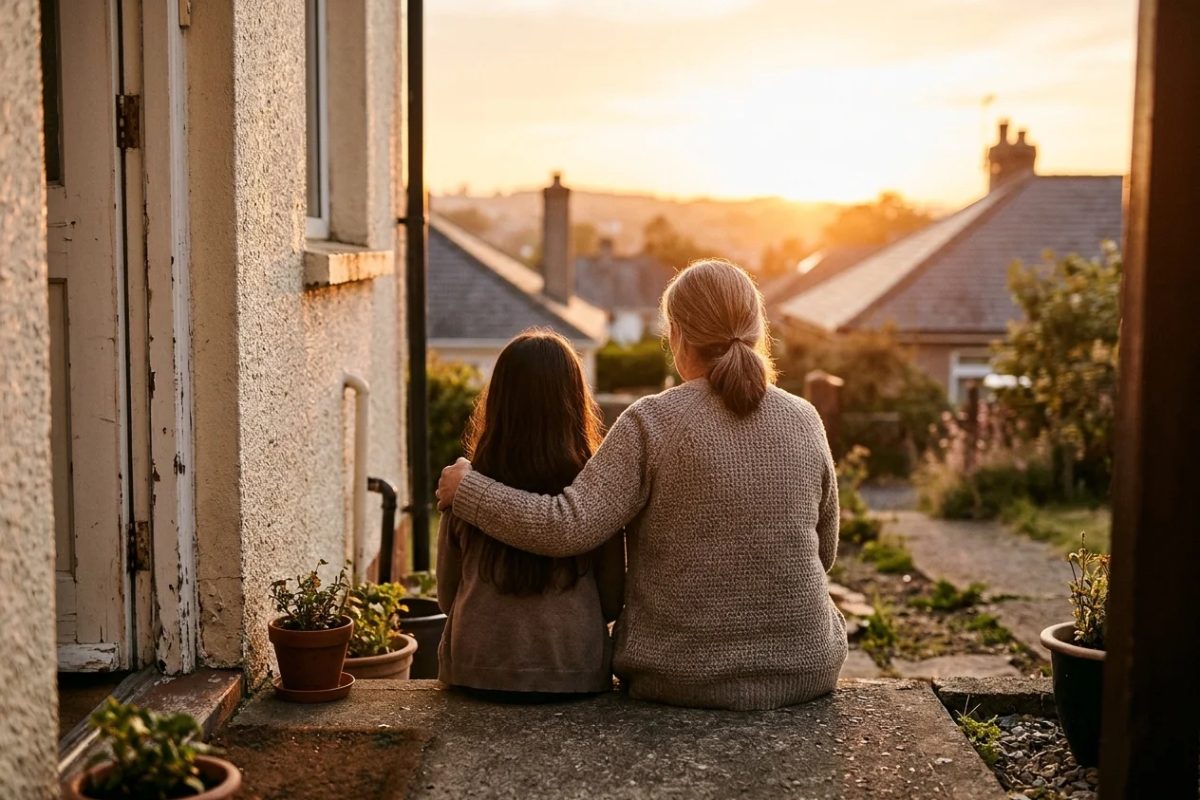
It's Sunday night. You've got a test on Tuesday, a project due Wednesday and a match on Thursday.
Your coach expects you at every practice. Your family wants good marks. Your friends want you at the park. And you'd quite like to sleep.
Your shoulders are up by your ears. Your head feels like a browser with 40 tabs open.
That's stress. Here's what it is, and how to make it smaller.
What is stress?
Stress is your body's way of getting ready for a challenge. Your heart beats faster and your mind speeds up. It's the same system that kicks in before a race.
A bit of it is useful. It helps you focus and get going. Too much, for too long, wears you out.
Can stress actually help?
Yes, if you see it as fuel. In one classroom test, students learned that their stress responses could help them perform. They felt less anxious about maths exams and did better in the next one.
So try telling yourself, "My body is getting ready to do well." It can change how the pressure feels.
Is it just me?
No. A worldwide survey asked 15 year olds about school. About 2 in 3 worried about getting poor marks. More than half felt very anxious before tests, even when they'd prepared well.
You've got a lot of company.
How do I ease the pressure?
Pick one of these.
- Write it all down. Get every task out of your head and onto paper. Your brain can stop trying to hold it all. Then pick the one that matters most today.
- Break it into bits. "Revise science" is huge. "Read one page of notes" is doable. A small step is easy to start, and finishing it feels good.
- Protect your sleep. Sleep experts say people aged 13 to 18 need 8 to 10 hours a night. A tired brain makes everything feel harder.
- Say it out loud. Tell a parent, carer, teacher or coach when it's too much. They often can't see it unless you say.
Easy to get wrong
- Giving up sleep to get more done. Your brain stores what you learned while you sleep. So you'll remember less and feel worse.
- Dropping everything fun. Time with friends and moving your body help you cope.
- Pretending you're fine. Adults can only change expectations if they know you're struggling.
Everyone starts from a different place
Some people have a quiet place to work and help with homework. Some share a room, look after younger brothers or sisters, or have a job. Some are learning in a second language. Some feel big pressure from family to do well. All of that changes how much is on your plate. Doing your best with what you've got is enough.
A whole plan feels too much? Start smaller. Pick one task. Set a timer for 10 minutes. Stop when it rings. That's a start.
Questions you might have
Is some stress good for me?
It can be. In one classroom test, students who learned to see stress as helpful felt less worried about maths. They also did better on their next exam than students who didn't.
How much sleep do I need?
Sleep experts in the US say 13 to 18 year olds need 8 to 10 hours a night. Ages 6 to 12 need 9 to 12. Stress often makes sleep harder, so a calm bedtime routine helps.
Why do tests stress me out so much?
They feel like they matter a lot. In a worldwide survey of 15 year olds, more than half felt very anxious about a test even when they'd prepared well. You're far from alone.
What can I do when I panic in an exam?
Slow your breathing. The NHS suggests breathing in for a count of 1 to 5, then out for 1 to 5. A few slow breaths can help you settle and read the question again.
What if my family expects too much?
Tell them how it feels, calmly and at a quiet moment. Try "I'm trying hard, but it feels like a lot right now." If it's still too much, ask a teacher to help you talk to them.
When is stress more than stress?
When it lasts for weeks, stops you sleeping or eating, or makes you feel hopeless. The NHS says to get help if it gets in the way of everyday life. Tell a trusted adult, or find a helpline at findahelpline.com.
Related topics
Tests and revising · Getting organised · Balancing school, sport and friends · When you feel worried · Sleep
Collect the Learn from mistakes cards8 cards for this rule. Tap, try it, collect it.See the cardsSources
- OECD, "Schoolwork-related anxiety", in PISA 2015 Results (Volume III): Students' Well-Being, 2017
- Paruthi and others, "Recommended amount of sleep for pediatric populations: a consensus statement of the American Academy of Sleep Medicine", Journal of Clinical Sleep Medicine, 2016
- Jamieson and others, "Reappraising stress arousal improves affective, neuroendocrine, and academic performance outcomes in community college classrooms", Journal of Experimental Psychology: General, 2022 (online 2021)
- University of Rochester, "Stress response doesn't have to be bad. Here's how to reframe it.", Sandra Knispel, 14 September 2021
- NHS, "Breathing exercises for stress", checked November 2026
- NHS, "Anxiety in children", checked November 2026
- Find A Helpline, checked November 2026
This is part of Learn from mistakes, one of the 7 BELIEVE rules. Article 62 of 191.