Module 1. Speaking up All ages
Standing up for someone
You don't have to be a superhero. Small, safe things can stop someone being picked on.
Draft. The BELIEVE team is still checking this page.
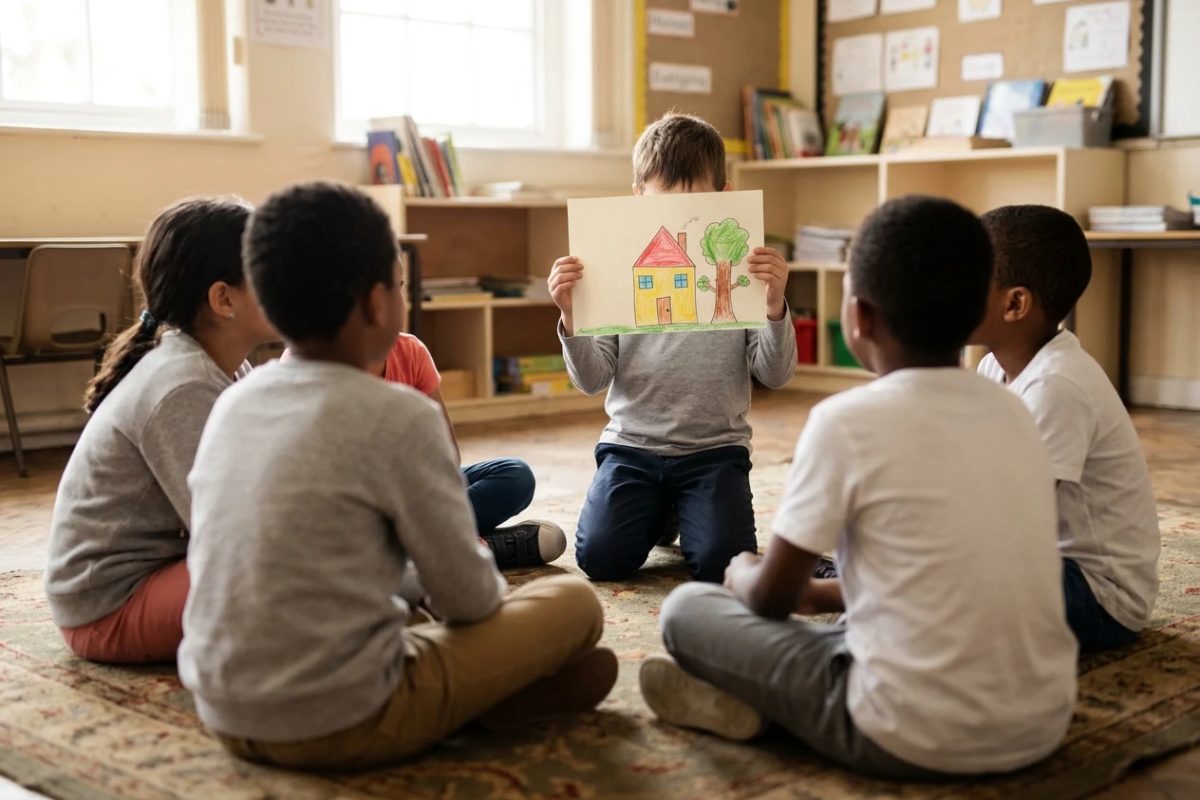
It's break time. A group is crowding round a boy from the year below. Someone grabs his bag and throws it.
He's trying to laugh, but his face has gone red.
You see it. Other people see it too. Everyone is waiting for someone else to do something.
What could you do? More than you might think.
Does one person really make a difference?
Yes. Scientists watched real playgrounds. When one person stepped in, the picking on often stopped fast. More than half the time, it stopped within 10 seconds.
Why does it work? Picking on someone usually needs people watching. When one person shows they aren't on the bully's side, the show stops being fun.
But people only stepped in about 1 time in 5. Why? In a crowd, each person thinks someone else will do it. So most of the time, nobody did anything.
That gap is where you come in.
What can I do safely?
Your safety comes first. You never have to get in the middle of a fight. Pick what feels safe.
- Get a grown-up. Find a teacher, a playground helper or a coach. This counts as standing up for someone. It's often the best choice.
- Say something short. "Leave it." "That's not funny." "Come on, let's go." Then walk off.
- Call them away. "Hey Max, come and play with us." It gives them a way out.
- Be kind afterwards. Sit with them later. Ask, "Are you OK?" It means a lot.
What if they turn on me?
That can happen, so keep yourself safe. If it feels risky, skip talking back. Go and get a grown-up straight away.
Going in a group helps. Two or three people standing together are much harder to pick on.
What about online?
Picking on people happens in group chats and games too. Don't join in or share it. Don't reply to the bully. Screenshot it if you can, then show a trusted grown-up.
Easy to get wrong
- Laughing along so you fit in. It tells the bully it's working.
- Thinking telling a grown-up is snitching. Telling gets someone help.
- Trying to fix a dangerous fight by yourself. Get a grown-up.
Everyone starts from a different place
Some people feel bold. Some freeze. Some are being picked on themselves. All of that is real. Freezing doesn't make you a bad person. It's what bodies do when they get a fright.
If speaking up feels too big, start smaller. Be kind to the person afterwards. Tell a teacher quietly at the end of the day. If you're the one being picked on, please tell a trusted grown-up. You can also find a free helpline at findahelpline.com.
Questions you might have
Is telling a grown-up the same as snitching?
No. Snitching is trying to get someone in trouble. Telling is trying to keep someone safe. If someone is being hurt or scared, telling a trusted grown-up is the right thing to do.
Does stepping in really work?
Often, yes. In one test, scientists watched playgrounds. When someone stepped in, the bullying stopped within 10 seconds more than half the time. The trouble was that people only stepped in about 1 time in 5.
What if I froze and did nothing?
That happens to lots of people. You can still help afterwards. Check on the person. Tell a grown-up what you saw. It's never too late to be kind.
What if the person being picked on is my friend?
Stay close to them. Walk with them at break. Help them tell a grown-up. If they feel scared or sad, there's free help at findahelpline.com. It covers more than 175 countries.
What if a fight starts?
Step back and get a grown-up straight away. Don't try to pull people apart. If someone is badly hurt, a grown-up can call for help. Use the emergency number where you live (like 112, 999 or 911).
What if the bullying is online?
Don't reply or share it. Take a screenshot if you can. Show a trusted grown-up. Most apps and games have a report button. Rules on what counts as online bullying differ by country.
Related topics
Bullying · Being left out · Saying no · Being kind online · Your trusted adults
Collect the Be brave cards6 cards for this rule. Tap, try it, collect it.See the cardsSources
- Hawkins, Pepler and Craig, "Naturalistic observations of peer interventions in bullying", Social Development, 10(4), 2001, for peers stepping in 19% of the time and 57% of interventions stopping it within 10 seconds
- StopBullying.gov, "Bystanders are Essential to Bullying Prevention and Intervention", checked November 2026
- Find A Helpline, checked November 2026
This is part of Be brave, one of the 7 BELIEVE rules. Article 7 of 191.