Module 11. Doing things for yourself Age 10+
Washing clothes and jobs around the home
Every home runs on small jobs, and you can do lots of them.
Draft. The BELIEVE team is still checking this page.
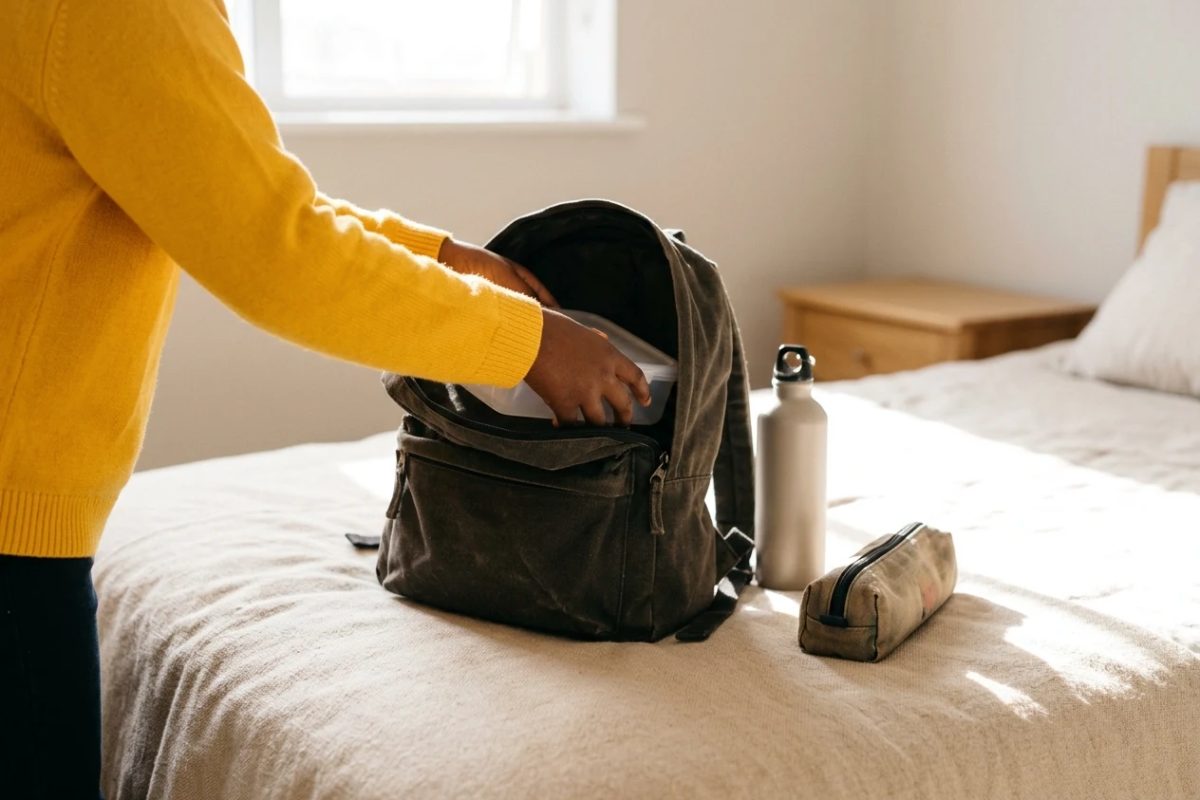
Your favourite top is in the wash basket. You need it for Saturday.
You could ask someone to wash it. Or you could find out how the machine works.
You read the label. You pick the right setting. You press start. An hour later, it's clean. Then you hang it up to dry.
You just did something lots of grown-ups had to learn the hard way. Nice.
How do I use the washing machine?
Ask a grown-up to show you the first time. Machines are all a bit different. Here are the basics.
- Sort the wash. Darks with darks. Whites with whites. Some coloured clothes let a bit of their dye out in the water. One red sock can turn a white shirt pink.
- Read the label. The number in the little tub is the hottest the water can be.
- Add the soap. Use the amount it says on the pack. More soap doesn't mean cleaner. Extra soap can stay stuck in the clothes.
- Empty the pockets. Tissues in the wash make a fluffy mess. So do sweets.
What do the symbols on the label mean?
They're the same in lots of countries. A tub means washing. A hand in the tub means wash by hand. A cross through any symbol means "don't". A triangle is about bleach. An iron with dots shows how hot it can go.
What other jobs can I do?
Lots. Pick one to start.
- The dishes. Hot soapy water. Glasses first, greasy pans last. That way the grease doesn't make the water dirty for everything else.
- The bins. Take them out and sort the recycling. Rules on what goes where differ from place to place.
- The table. Lay it before dinner and clear it after.
- Your own sheets. Strip the bed and put clean ones on.
Leave cleaning sprays and bleach to a grown-up until they show you. Never mix cleaning products. Some of them make a harmful gas when they mix.
Easy to get wrong
- Washing everything hot. Heat can shrink clothes and wear out the stretchy bits.
- Leaving wet clothes in the machine. Germs grow fast in damp places. So the clothes start to smell.
- Doing a job badly so nobody asks again. Everyone sees through that one.
Everyone starts from a different place
Some homes have a washing machine. Some use a launderette. Some wash by hand in a bucket or sink. Some people already do lots of jobs because a grown-up is ill or working long hours. If that's you, you're already doing a lot. Ask for help if it's too much.
New to all this? Start with one job that's yours. Clear your plate after every meal. That counts.
Questions you might have
What does the number on the tub mean?
It's the hottest the water should be, in degrees C. A 30 means up to 30°C. Labels in some countries use words instead, so read what yours says.
Why not wash everything really hot?
Heat uses more energy and can damage some fabrics and stretchy bits. With most new machines and washing powders, a 30°C wash is often enough. Very muddy kit might need hotter.
Do clothes need washing every time I wear them?
Not always. Socks, pants and sports kit do. A jumper might not. Wearing clothes for longer helps the planet. Wear something for 9 more months. Experts say that cuts its harm by 20 to 30 in every 100.
How often should I change the kitchen sponge?
Often. Sponges stay damp, so germs grow in them. Scientists tested this. A germ called Salmonella lived in some sponges for more than 7 days. Brushes dry faster and were cleaner. Let a sponge dry out between uses.
Why do leftovers need to go in the fridge quickly?
Germs grow fast at room temperature. Health experts say food that needs the fridge shouldn't sit out for more than 2 hours. On a very hot day, it's 1 hour.
What if I do it wrong?
Everyone shrinks a jumper once. Or turns something pink. That's how you learn. Next time you'll read the label first.
Related topics
Helping out · Brothers, sisters and sharing a home · Looking after your things and your room · Looking after the planet · Earning your own money
Collect the Effort every day cards8 cards for this rule. Tap, try it, collect it.See the cardsSources
- GINETEX, "Care symbols", the international care labelling system, checked November 2026
- Groundwork, "Change your washing machine settings", 2023, for washing at 30°C
- Møretrø and others, "Dishwashing sponges and brushes: consumer practices and bacterial growth and survival", International Journal of Food Microbiology, 2021
- CDC, "Preventing Food Poisoning", checked November 2026, for the 2 hour and 1 hour rules
- Love Your Clothes (WRAP), "Why we should value our clothes" leaflet, via the London Borough of Havering
This is part of Effort every day, one of the 7 BELIEVE rules. Article 120 of 191.