Module 13. Growing up Age 12+
Moods and your changing brain
Your brain is growing up too, so bigger feelings and later nights are part of the deal.
Draft. The BELIEVE team is still checking this page.
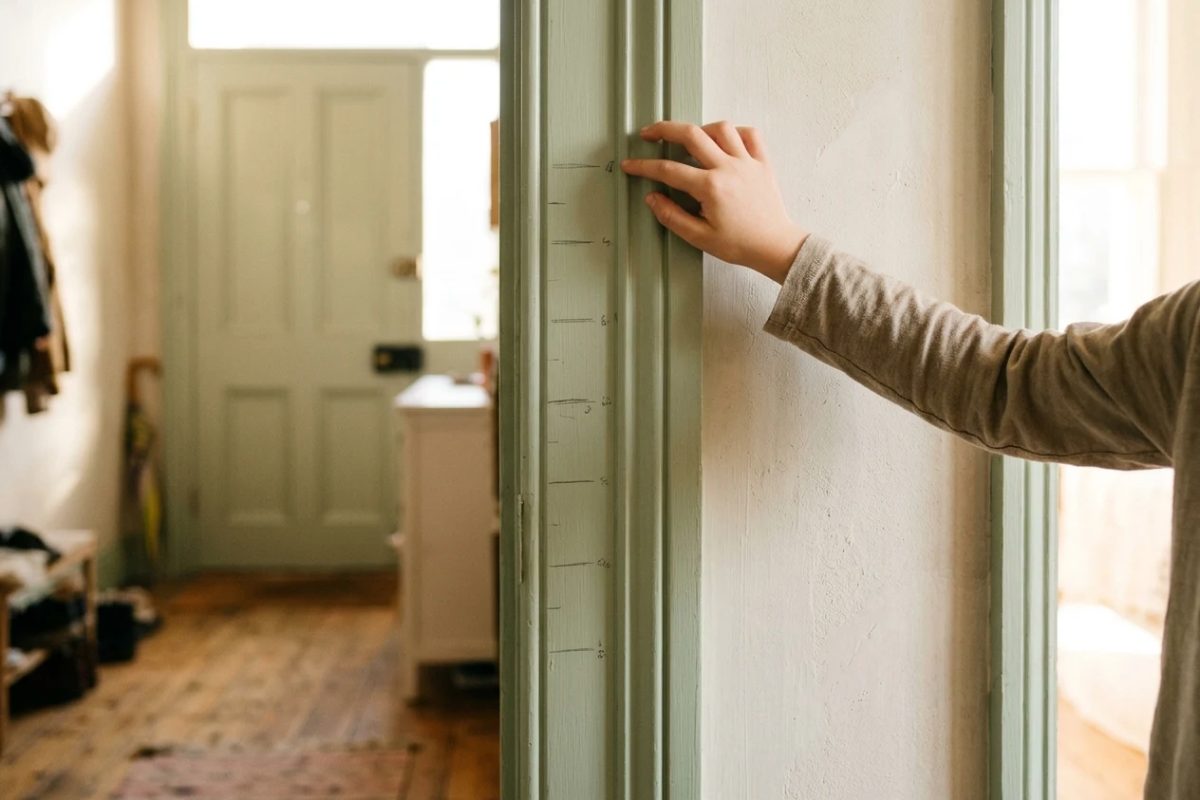
Someone asks what's for tea. You snap at them. Ten minutes later, you're not even sure why.
It's 11 at night and you're wide awake. At 7 in the morning, you feel like a zombie.
Sound familiar? There's nothing wrong with you. Your brain is changing, and these are some of the signs.
Why are my feelings so big?
In puberty, new hormones flow round your body. They can turn feelings up for a while. Happy feels happier. Annoyed feels more annoyed. Embarrassed can feel huge.
Your brain is also rebuilding itself. The part at the front that helps you stop and think is one of the last bits to finish. It keeps growing into your twenties. So feelings can rush in before the calm, planning part catches up.
Scientists have found that feeling self-conscious gets stronger as people head into their teens. So it can feel like everyone's watching. In one test, people wore an embarrassing T-shirt into a room. They thought half the room noticed. Only about 1 in 4 people did.
Why can't I get to sleep?
Your body clock shifts in puberty. Your brain starts making its sleepy hormone later at night. Scientists say teens can stay alert about 2 hours later than younger people.
School still starts at the same time, though. So lots of teens end up short of sleep. You need about 8 to 10 hours a night. Tired brains find feelings much harder to handle.
What helps when a mood hits?
Pick one of these.
- Name it. Saying "I'm annoyed" or "I'm worried" can take some of the heat out.
- Move. A walk, a dance in the kitchen or a kick about can shift a mood fast. Moving helps your body burn off the stress.
- Wait before you send. Angry messages feel great for 5 seconds. Give it 10 minutes. The feeling fades, but a sent message stays.
- Wind down at night. Dim the lights and put screens away 30 minutes before bed. Bright light tells your brain it's still daytime, so the sleepy hormone comes even later.
When is it more than a mood?
Ups and downs are normal. But some feelings need help.
Tell a grown-up you trust if you feel low most days for 2 weeks or more. Do the same if worries stop you eating, sleeping or going out. If you ever feel like hurting yourself, tell someone straight away. You can find a free helpline at findahelpline.com. In an emergency, call the emergency number where you live, like 112, 999 or 911.
Easy to get wrong
- Thinking you're the only one. Nearly every teen has days like this.
- Staying up late on screens, then wondering why you feel grumpy.
- Keeping a big feeling to yourself for weeks. Talking makes it lighter.
Everyone starts from a different place
Some people share a room, so early nights are hard. Some homes are noisy or stressful. Some people have ADHD, autism or a health condition that changes moods and sleep.
If a whole routine feels too much, start with one thing. Try going to bed 15 minutes earlier. Or take 5 deep breaths when a mood hits. Small changes add up.
Questions you might have
Why do I get grumpy for no reason?
Often there's a reason, like hunger, tiredness or stress. Puberty hormones can also turn feelings up. Scientists say feeling self-conscious gets stronger in the early teens. It does settle as you grow.
How much sleep do I need?
Sleep experts say people aged 13 to 18 need about 8 to 10 hours a night. Under 13, it's 9 to 12 hours. In one big US survey, about 7 in 10 high school students didn't get enough on school nights.
Why am I wide awake at night?
In puberty, your brain releases its sleepy hormone, melatonin, later in the evening. Scientists say teens can stay alert about 2 hours later than younger people. It's your body clock, and you're not being lazy.
Does school start too early for teens?
Some scientists think so. In one look at schools, about 60% of students slept 8 hours or more when school began at 8:35. When it began at 7:30, only 34% did.
Is everyone really looking at me?
Probably not. In one test, people wore an embarrassing T-shirt into a room. They guessed half the room noticed. Only about 1 in 4 people did.
What if I feel low all the time?
Tell a grown-up you trust. Feeling low most days for 2 weeks or more is a sign to get help. A doctor can help too. You can find a free helpline at findahelpline.com.
Related topics
When feelings get too big · Naming your feelings · Sleep · Stress and pressure · Feeling embarrassed
Collect the Value yourself cards8 cards for this rule. Tap, try it, collect it.See the cardsSources
- Psychiatric News, "Why Can't Teenagers Go to Sleep Earlier?", 2014, reporting work by Mary Carskadon and Kyla Wahlstrom, for the 2 hour shift and school start times
- Hagenauer and others, "Adolescent changes in the homeostatic and circadian regulation of sleep", Developmental Neuroscience, 2009
- Paruthi and others, "Recommended Amount of Sleep for Pediatric Populations: A Consensus Statement of the American Academy of Sleep Medicine", Journal of Clinical Sleep Medicine, 2016, for hours of sleep
- Wheaton and others, "Short Sleep Duration Among Middle School and High School Students: United States, 2015", CDC Morbidity and Mortality Weekly Report, 2018, for 7 in 10 high school students
- Somerville and others, "The Medial Prefrontal Cortex and the Emergence of Self-Conscious Emotion in Adolescence", Psychological Science, 2013
- Gilovich, Medvec and Savitsky, "The spotlight effect in social judgment: An egocentric bias in estimates of the salience of one's own actions and appearance", Journal of Personality and Social Psychology, 2000
- NHS, "Get help with low mood, sadness or depression", for low mood for more than 2 weeks, checked November 2026
- healthdirect Australia, "Depression in young people", for getting help after 2 or more weeks, checked November 2026
- Find A Helpline, free helplines by country
This is part of Value yourself, one of the 7 BELIEVE rules. Article 140 of 191.