Module 6. Thinking for yourself All ages
What is fair?
Fair means everyone gets a real chance.
Draft. The BELIEVE team is still checking this page.
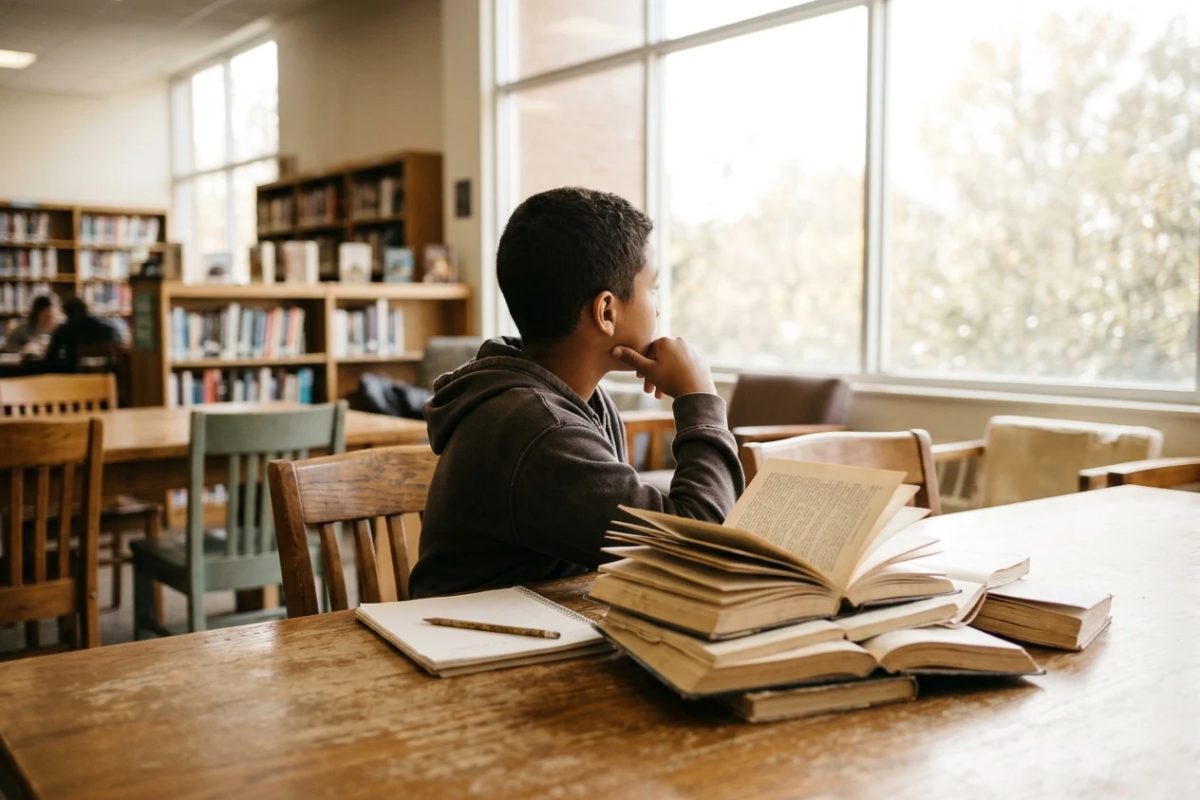
It's someone's birthday. There's one cake and 8 people. Everyone watches the knife.
Then the slices come out. Yours is tiny. Your friend's is huge.
"That's not fair!"
You know that feeling. Everyone does. Even monkeys do. But working out what's fair can be harder than it looks.
Why do we care so much about fair?
The feeling is very old. Even some animals seem to have it. Scientists tested this with monkeys. Each monkey swapped a little token for a bit of cucumber. Easy. Happy monkeys.
Then one monkey got a grape instead. Grapes are much nicer than cucumber. The other monkey saw this. Lots of the time, it refused its cucumber. It wanted a grape too!
So that "not fair!" feeling goes back a long way.
Is fair the same as equal?
Not always. Equal means everyone gets the same. Fair means everyone gets what they need to have a real chance.
What about the grey bits?
Lots of things aren't clearly right or wrong. Is it fair for the best players to play every match? Or should everyone get a turn? People can think about this carefully and still disagree.
When you're not sure, try these questions.
- Who's affected? Think about everyone, not just you.
- What if I was them? Imagine being on the other side.
- What if everyone did it? Would it still be OK? A small thing can add up when lots of people do it.
- Can we talk about it? Lots of fairness problems get easier when people listen.
Easy to get wrong
- Thinking fair means you always get what you want.
- Shouting "not fair!" without saying why. Explaining helps people listen.
- Only noticing unfair things that happen to you. Look out for others too.
Everyone starts from a different place
Some people have more money, space, time or help at home than others. Some have a disability or are learning a new language. That's why fair and equal can look different.
You can start small. Next time something feels unfair, ask yourself why. Is it unfair to you, or to someone else as well?
Questions you might have
Did the monkeys really say no to food?
Yes. Monkeys swapped tokens for cucumber 95 times out of 100. When their partner got grapes for the same job, that dropped to about 60 times out of 100.
When do people start caring about fairness?
It grows as you get older. In one test, sharing a sweet meant giving one of your own away. Fewer than 1 in 10 of 3 and 4 year olds shared. By 7 or 8, almost half did.
What if my brother or sister gets more than me?
It might be unfair. Or they might need something different right now. You could ask a grown-up calmly why. Most families have rules that change as people get older.
Do I have rights?
Yes. Almost every country in the world has signed a promise about the rights of everyone under 18. It was agreed in 1989. It includes the right to be safe, to learn and to be heard.
Is it unfair if someone gets extra help?
Usually not. Glasses, extra time in a test or a ramp help people get a fair chance. They make things fairer for that person, and nobody loses out.
What if something unfair is happening to me?
Tell a trusted grown-up. If someone is treating you badly, it isn't your fault. You can also find free help near you at findahelpline.com.
Related topics
Your rights · Standing up for someone · People who are different from you · Brothers, sisters and sharing a home · What you stand for
Collect the Learn from mistakes cards8 cards for this rule. Tap, try it, collect it.See the cardsSources
- Brosnan and de Waal, "Monkeys reject unequal pay", Nature, 2003
- Emory Report, "Yerkes study: Monkeys just want to play fair", 29 September 2003, summary of the test
- Fehr, Bernhard and Rockenbach, "Egalitarianism in young children", Nature, 2008
- National Geographic, "Children learn to share by age 7-8", 27 August 2008, summary of the sweets test
- UNICEF, "What is the Convention on the Rights of the Child?"
This is part of Learn from mistakes, one of the 7 BELIEVE rules. Article 67 of 191.