Module 8. The wider world All ages
Your rights
You have rights just because you're you. Nobody has to give them to you.
Draft. The BELIEVE team is still checking this page.
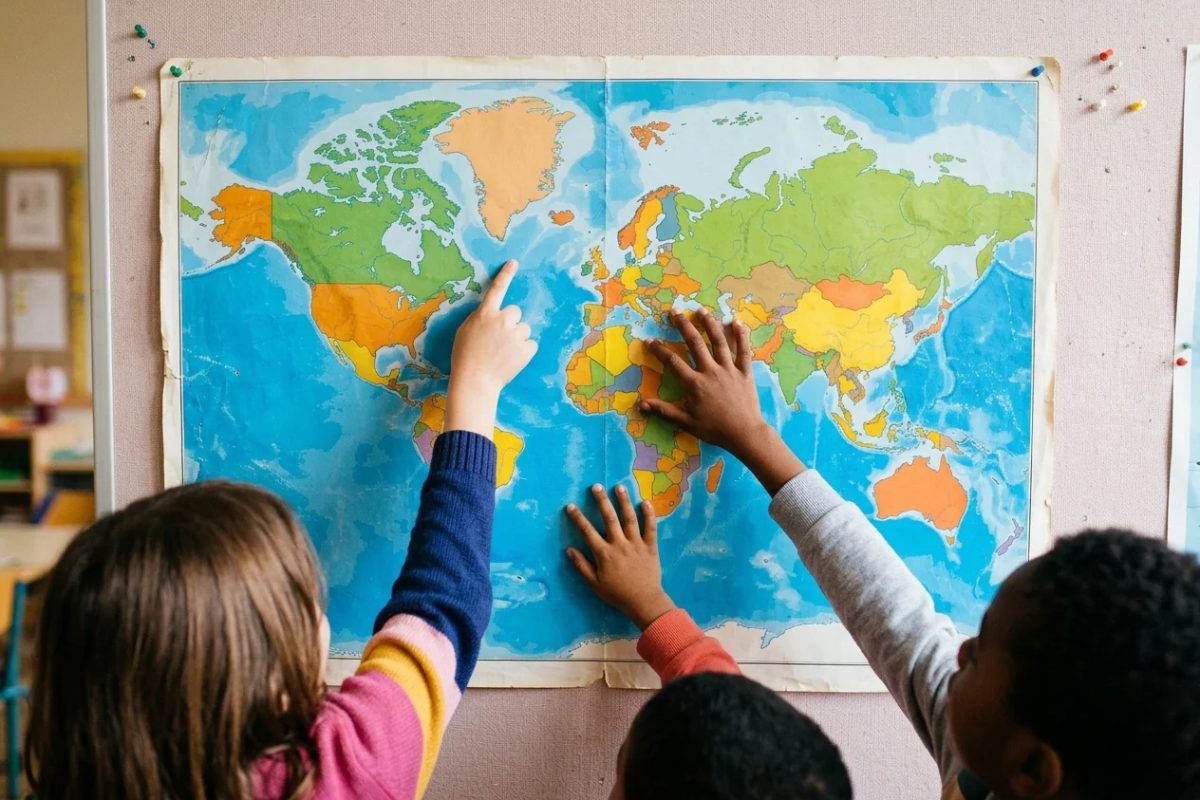
Your friend flops down on the bench at break. "Grown-ups make all the rules," they grumble. "We never get a say."
You nod. It does feel like that sometimes.
Then your teacher tells the class something surprising. Nearly every country in the world has signed a big promise. It's all about people under 18. And one part says you have the right to be heard.
What are rights?
Rights are things every person needs to live a good life. Things like being safe, having food and getting to learn.
You don't have to earn rights. You can't lose them for getting something wrong. You have them because you're a person.
What's the big promise?
It's called the Convention on the Rights of the Child. The United Nations agreed it in 1989. It's for everyone under 18.
Why does it exist? People under 18 are still growing. They often can't change big things on their own. So countries wrote down a promise to look out for them. A written promise is harder to forget. People can point to it and say, "You agreed to this."
It has 54 parts, called articles. 196 countries have joined it. That's more than any other promise like it in history.
Which rights do I have?
- To play and rest. Play helps your body and brain grow.
- To learn. Everyone has the right to go to school.
- To be heard. You can say what you think about things that affect you. Grown-ups think about your view.
- To be safe. Nobody is allowed to hurt you, at home or anywhere else.
- To good health. That means clean water, healthy food and care when you're ill.
What if my rights aren't being kept?
Countries promised to keep these rights. Sadly, it doesn't always happen.
If someone is hurting you, or you don't feel safe, tell a grown-up you trust. That could be someone at home, a teacher or a school nurse. It's never your fault. You won't be in trouble for telling.
You can also find free, kind people to talk to at findahelpline.com. If you're in danger right now, call the emergency number where you live, like 112, 999 or 911.
Do other people have rights too?
Yes. Every person under 18 has the same rights as you. So part of having rights is respecting other people's. Your right to be heard sits right next to theirs.
Easy to get wrong
- Thinking rights mean you can do anything you like. Rights are about what every person needs, like safety and learning.
- Thinking rights are a prize for being good. You have them already.
- Thinking being heard means always getting your way. It means grown-ups listen and think about what you said.
Everyone starts from a different place
Some people live where their rights are kept well. Some live through war, hunger or hard times at home. Some have a disability. Some had to leave their country. Some live away from their family. Every one of them has the same rights. All of them matter.
If rights feel big and far away, start with one. Pick the right to be heard. Next time something affects you, say what you think, calmly and kindly.
Questions you might have
When was the promise made?
The United Nations agreed the Convention on the Rights of the Child on 20 November 1989. It started to count as law between countries on 2 September 1990.
How many countries have joined?
196 countries have joined. That makes it the most widely joined human rights promise in history. The United States is the only member of the United Nations that hasn't fully joined.
Who does it cover?
Everyone under 18. It says so in its very first article. It covers everyone, whatever their religion, background or ability, and wherever they live.
Does it really say I can play?
Yes. Article 31 says every person under 18 has the right to rest, relax and play. It also covers taking part in art, music and other creative things.
Who has to keep the promises?
Governments do. They're the people who run each country. Article 42 even says governments have to tell young people and grown-ups about these rights.
What if someone is hurting me?
Article 19 says governments have to protect you from being hurt. Tell a grown-up you trust. It's never your fault. You can also find someone to talk to at findahelpline.com.
Related topics
Your trusted adults · Who makes the rules? · What is fair? · Speaking up with adults · Your body belongs to you
Collect the Imagine big cards5 cards for this rule. Tap, try it, collect it.See the cardsSources
- UNICEF UK, "What is the UNCRC?", checked November 2026, for the 54 articles, the 196 countries, the most widely ratified human rights treaty and the United States
- UNICEF, "Children's version of the Convention on the Rights of the Child", checked November 2026, for Articles 1, 12, 19, 31 and 42
- United Nations Audiovisual Library of International Law, "Convention on the Rights of the Child", UN Office of Legal Affairs, for the 20 November 1989 and 2 September 1990 dates
- Find A Helpline, free helplines in many countries
This is part of Imagine big, one of the 7 BELIEVE rules. Article 88 of 191.