Module 8. The wider world Age 10+
When the news is scary
Scary news can stick in your head. Talking about it helps it shrink.
Draft. The BELIEVE team is still checking this page.
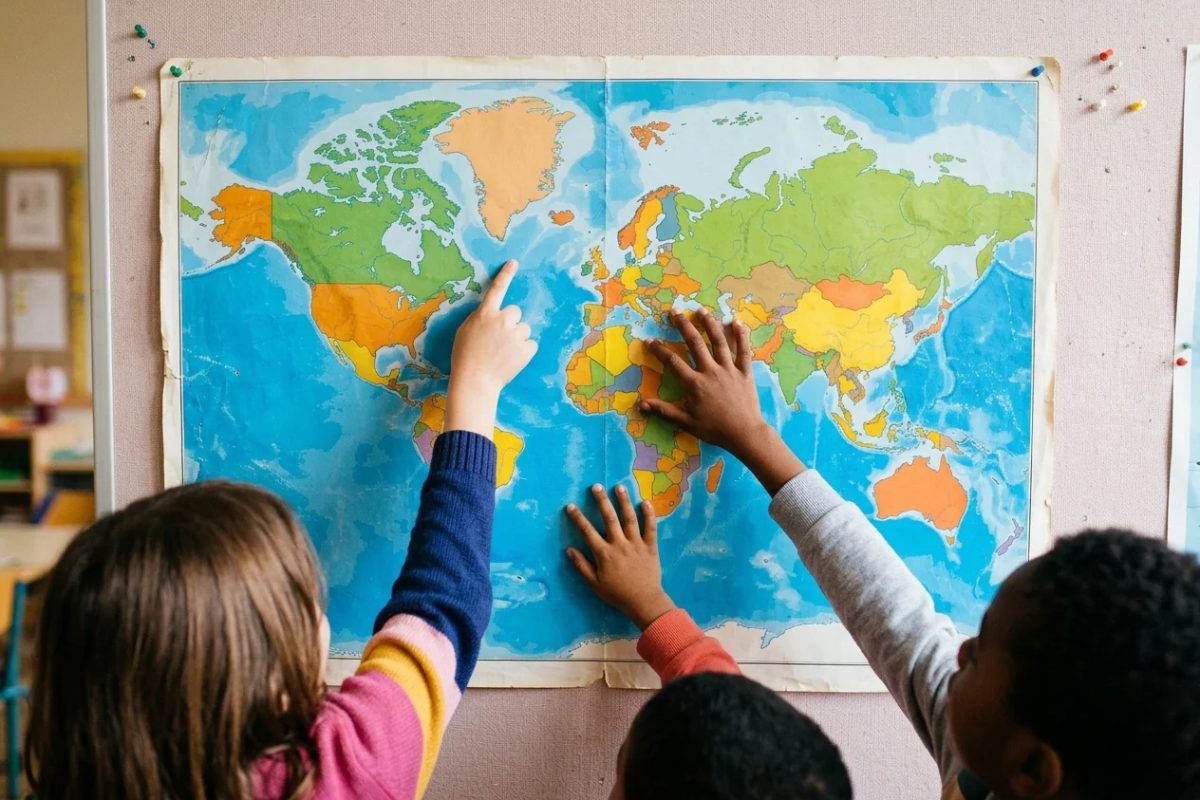
You walk past a screen at home. The news is on. There's a picture of a town that's been flattened. People are crying.
Then the news moves on to the weather. But the picture doesn't move on. It's still in your head at bedtime.
Could it happen here? Are those people OK? Your tummy feels tight.
Why does the news feel so scary?
The news picks the biggest and saddest things happening anywhere in the world. So it can feel like they're happening everywhere, all the time.
Lots of good things happen every day too. They just don't make the news as often.
Could it happen to me?
It's normal to wonder. Most scary things on the news happen far away. Ask a grown-up you trust. They can tell you if there's anything to worry about where you live.
Some posts online make things look worse than they are. Check with a grown-up before you believe them.
What can I do with the worry?
Pick one of these.
- Talk about it. Tell a grown-up you trust what you saw and how you feel.
- Take a break. Turn the news off for a while. Play a game, go for a walk or draw. It gives your brain a rest from the pictures.
- Look for the helpers. In every scary story, there are people helping.
- Do something small. Make a card, draw a poster for peace or be extra kind to someone. Doing something helps.
What if the worry gets too big?
Sometimes worry hangs around. It can give you tummy aches or bad dreams. Why? When you're scared, your body gets ready for danger. It tenses up, even when the danger is far away. It can stop you sleeping.
If that happens, tell a grown-up you trust. That could be someone at home, a teacher or a school nurse. You can also talk to a helpline. Find one where you live at findahelpline.com. Is someone in danger right now? Call the emergency number where you live, like 112, 999 or 911.
Easy to get wrong
- Keeping the worry to yourself. Saying it out loud often makes it smaller.
- Watching more and more news to feel in control. It usually makes the worry bigger.
- Blaming everyone from one country. Most people everywhere want to be safe and at peace.
Everyone starts from a different place
Some people have family in places at war. Some have lived through a war or a disaster themselves. For them, the news can feel extra close and extra hard. Some people feel nothing much about the news. That's OK too.
If talking feels too big, start smaller. Draw how you feel. Write it down. Or sit with a grown-up and just say, "I saw something on the news."
Questions you might have
Is it OK to feel scared by the news?
Yes. Lots of people do, grown-ups too. UNICEF says people your age often worry quietly, without telling anyone. Saying it out loud to someone you trust can really help.
Could I stop watching the news?
You can take a break whenever you like. UNICEF says it helps to cut down on scary headlines and pictures. A game or a walk is a good swap.
Where does "look for the helpers" come from?
From Fred Rogers, a TV presenter in the United States. His mum told him to look for the helpers when the news was scary. He said you'll always find people helping.
How can I help people in a war or disaster?
Small things count. UNICEF suggests making a poster or joining a fundraiser with a grown-up. It says doing something, even something small, can bring great comfort.
Can worry make my tummy hurt?
Yes. UNICEF says worry can show up as tummy aches, headaches, bad dreams or trouble sleeping. Talking about it can help. If it doesn't go away, tell a grown-up you trust or visit findahelpline.com.
What if someone at school says something scary?
Ask a grown-up you trust if it's true. Lots of rumours aren't. UNICEF says grown-ups can help by finding out what you've heard and putting it right.
Related topics
When you feel worried · Your trusted adults · Fake stuff online · Is it true? · When feelings get too big
Collect the Imagine big cards5 cards for this rule. Tap, try it, collect it.See the cardsSources
- UNICEF Parenting, "How to talk to your children about conflict and war", checked November 2026
- PBS, "Helping Children with Scary News", After Newtown, 26 February 2013, for the Fred Rogers "look for the helpers" quote
- Fred Rogers, Wikipedia, for the story of his mother's advice, checked November 2026
- Find A Helpline, free helplines in many countries
This is part of Imagine big, one of the 7 BELIEVE rules. Article 91 of 191.