Module 8. The wider world Age 10+
Who makes the rules?
Rules are made by people. That means people can change them, and that includes you one day.
Draft. The BELIEVE team is still checking this page.
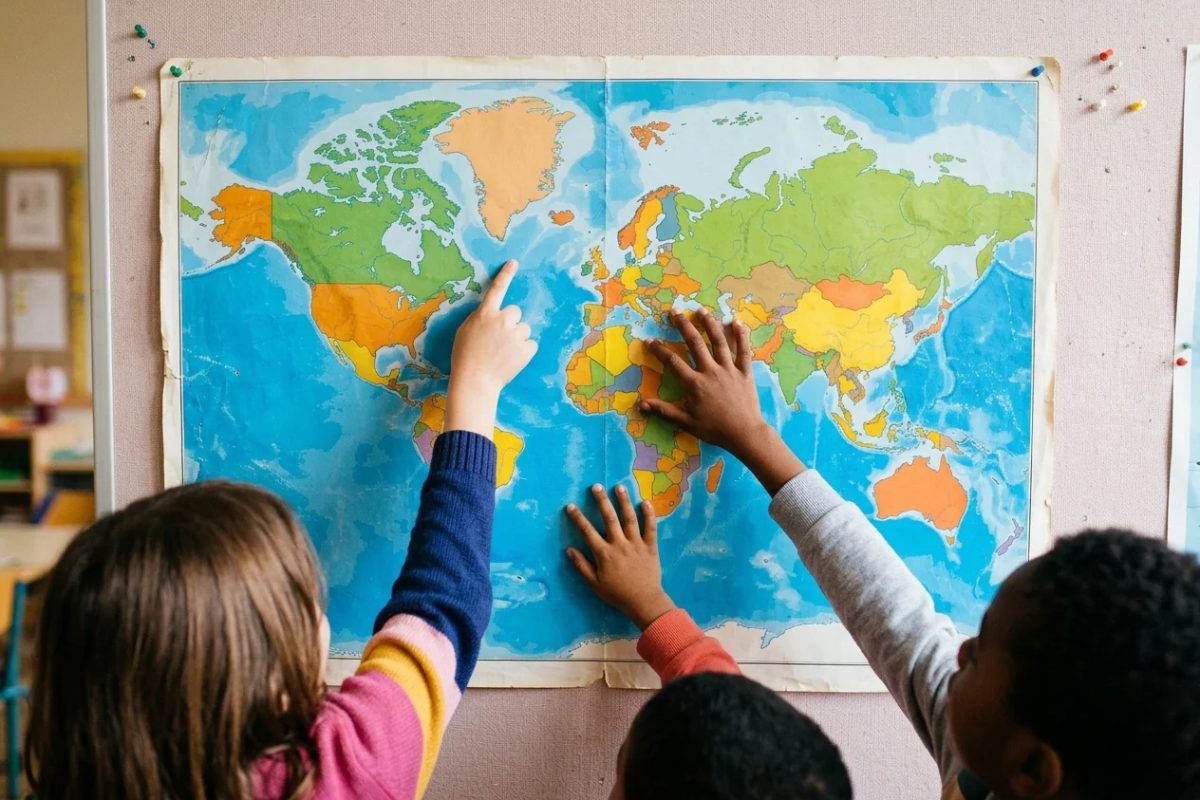
It's the last day of term. Your class gets to pick one game for the afternoon. Half want football. Half want a quiz.
Everyone talks at once. Someone shouts. Someone sulks.
Then your teacher says, "Let's vote." Hands go up. 16 for the quiz. 13 for football.
The football fans groan. But they know it was fair. Everyone had a say. That's a tiny bit of how whole countries work.
Why do we need rules?
Picture a football game with no rules. Everyone grabs the ball. Nobody knows who scored. It ends in a row. Rules help lots of people share things, stay safe and treat each other fairly.
Who makes the rules at school?
Head teachers and staff make most school rules. They think about keeping everyone safe and helping people learn.
Lots of schools also have a school council. That's a group of pupils who share ideas from their classes. Rules are different in every school and every country.
Who makes the laws?
Laws are rules for a whole country. Everyone has to follow them, grown-ups too.
In many countries, a group of people chosen by voters makes the laws. It has different names in different places, like a parliament or a congress. A government runs the country day to day. Police and courts help make sure laws are kept. Every country has its own laws.
What's voting?
Voting is how a group makes a choice. In many countries, grown-ups vote for the people who will lead them.
In most countries, you can vote at 18. In a few, like Austria and Brazil, it's 16. In some, like Singapore, it's 21. Some countries don't let people vote freely at all.
How can I have a say now?
Pick one of these.
- Join in at school. If there's a school council, vote for it or stand for it.
- Write a letter. You can write to a local leader about something you care about.
- Hear all sides. Listen to what different people think before you choose. Other people might know things you don't.
- Know your rights. You have the right to be heard on things that affect you.
Easy to get wrong
- Thinking rules can never change. People change them all the time.
- Thinking only grown-ups count. Your voice counts too.
- Breaking a rule because you don't like it. Ask why it's there, then speak up.
Everyone starts from a different place
Some people live in countries where everyone can vote freely. Some live where that's hard or not allowed. Some families talk about leaders and news a lot. Some never do. All of that is fine.
If big politics feels too much, start small. Have a say at home or in a club. Help decide which game to play or where to go for a walk.
Questions you might have
What age can people vote?
It depends on the country. 18 is the most common voting age in the world. Some countries pick a younger age and some pick an older one.
Can anyone vote younger than 18?
Yes, in a few places. Austria and Brazil let people vote in national elections at 16. Rules differ by country, so check where you live.
Is the voting age ever older than 18?
Yes. In Singapore, people have to be 21 to vote. A few other places also set it above 18. Every country sets its own rules.
Which country let women vote first?
New Zealand. In 1893, it became the first self-governing country where women could vote for their parliament. Lots of other countries took many more years.
Does every country have the same laws?
No. There are 193 countries in the United Nations, and each makes its own laws. Something allowed in one country can be against the law in another.
Do I get a say before I can vote?
Yes. A big UN promise says so. Everyone under 18 can share their views on things that affect them. 196 countries have signed up to it.
Related topics
Your rights · What is fair? · Speaking up with adults · Leading and being in a team · Thinking for yourself in a crowd
Collect the Imagine big cards5 cards for this rule. Tap, try it, collect it.See the cardsSources
- Voting age, Wikipedia, for 18 being the most common voting age, checked November 2026
- Austrian government, "Right to vote", oesterreich.gv.at, checked November 2026, for voting at 16
- Superior Electoral Court of Brazil (TSE), "Faltam 19 dias: saiba para quem o voto é obrigatório ou facultativo", September 2026, for voting at 16 and 17
- Elections Department Singapore, Qualifying Criteria, checked November 2026, for voting at 21
- Manatū Wāhine Ministry for Women, "Women's Suffrage in Aotearoa New Zealand", New Zealand Government, checked November 2026, for 1893, the 7-year campaign and the 31,872 signatures
- UN Dag Hammarskjöld Library, "UN Membership: Introduction", checked November 2026, for the 193 Member States
- UNICEF, "Children's version of the Convention on the Rights of the Child", Article 12
- UNICEF UK, "What is the UNCRC?", for the 196 countries, checked November 2026
This is part of Imagine big, one of the 7 BELIEVE rules. Article 90 of 191.