Module 15. Play, sport and hobbies Age 12+
Keeping your hobbies as a teenager
Your hobbies are part of who you are, so it's worth finding a way to keep them.
Draft. The BELIEVE team is still checking this page.
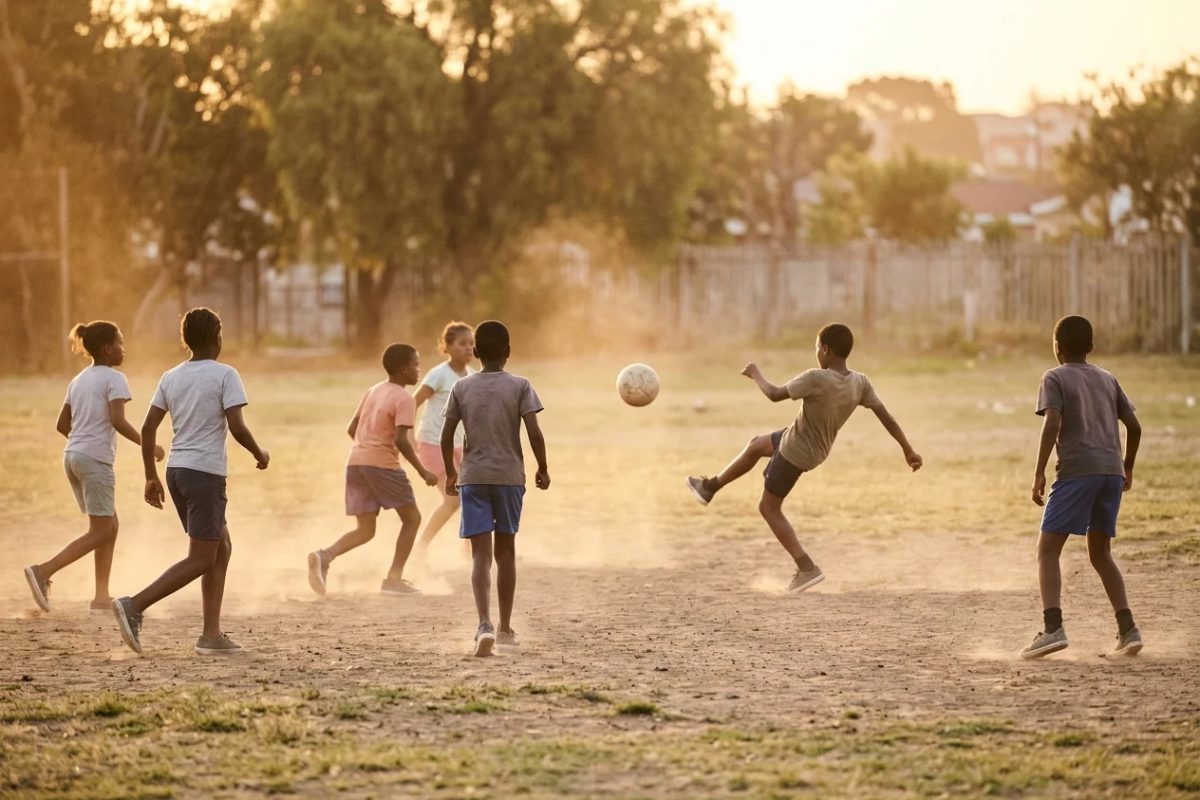
At 9, you did everything. Swimming on Monday. Drama on Wednesday. Football in the park at the weekend.
Now you're 13. The homework has piled up. Your friends are into different things. Getting changed for sport feels awkward.
One by one, the hobbies slip away. Nobody decides it. It just happens.
If that sounds familiar, you're far from alone.
Why do so many people drop their hobbies?
In a big UK survey, over 4,000 girls and boys aged 11 to 18 were asked about sport. Of the girls who felt sporty when they were younger, 43 in 100 didn't anymore as teenagers. For boys it was 24 in 100.
Common reasons include worrying that people are watching, body changes and periods, less free time and feeling you're not good enough anymore.
Does it matter if I stop?
Hobbies do a lot for you. They keep you moving, help you handle stress and give you friends outside school. When you're lost in something you enjoy, your mind gets a break from worries.
Moving matters for your body too. Health experts say teenagers need at least an hour of activity a day. Around the world, more than 4 in 5 people aged 11 to 17 don't get that.
How can I keep going?
Pick one of these.
- Change the level. Swap a serious team for a fun one. Kick-abouts count.
- Bring a friend. Things feel less awkward with someone you know. A friendly face makes a new place feel safer.
- Pick your kit. Wear what you feel comfortable in, where the rules allow.
- Find a new version. Swap ballet for street dance, or a choir for writing your own songs.
What if I feel watched?
In the same UK survey, 65 in 100 girls said they don't want others watching them exercise. For boys it was 44 in 100. That feeling is really common.
Most people are thinking about themselves, not you. In one test, people wearing an embarrassing T-shirt thought half the room had noticed. Only about 1 in 4 had.
Easy to get wrong
- Thinking it's all or nothing. Doing a hobby once a week still counts.
- Dropping something because of one comment. Ask yourself if you still love it.
- Thinking it's too late to start again. It isn't.
Everyone starts from a different place
Some people have money for clubs, lifts to practice and lots of free time. Others care for family, have jobs at home or live far from anything. Some have a disability or a health condition. Some feel unsure about their changing body. All of that is real.
Start with the smallest version. Ten minutes of drawing. A walk with music. A dance in the kitchen. Keeping a little bit of a hobby is a big win.
Questions you might have
Is it normal to lose interest in hobbies as a teenager?
Very. In a big UK survey, 43 in 100 girls who felt sporty when younger didn't by their teens. For boys it was 24 in 100. Interests change, and that's fine.
What if my periods make sport hard?
Lots of people feel that way. In the same UK survey, about 7 in 10 girls said they avoid being active on their period. Talk to a grown-up you trust, a school nurse or a doctor about what helps.
How much activity do I need?
The World Health Organization says teenagers need at least an hour of moving a day. Walking, dancing, cycling and sport all count. More than 4 in 5 people aged 11 to 17 worldwide don't get there.
What if my friends have quit?
That can make it harder. You could invite a friend to try your hobby once. Or keep going and make new friends there. In one test, people in singing classes became close very quickly.
I'm too busy. What can I do?
Shrink your hobby rather than drop it. Fifteen minutes still counts. A UN group that looks after the rights of everyone under 18 says homework and extra lessons are eating into free time.
Can hobbies help with stress?
They can. In one test, 45 minutes of making art lowered a stress hormone in about 3 in 4 grown-ups. Moving helps too. If stress feels too big, talk to a grown-up you trust or visit findahelpline.com.
Related topics
Sticking with it · Balancing school, sport and friends · Your body is going to change · Stress and pressure · Keeping your spark as you grow up
Collect the Enjoy the ride cards10 cards for this rule. Tap, try it, collect it.See the cardsSources
- Women in Sport, "Reframing sport for teenage girls: tackling teenage disengagement", UK survey of 2,291 girls and 2,024 boys aged 11 to 18 by Savanta in July 2021, published March 2022
- University of Surrey, "Making sport fun again could keep more girls in the game, say Surrey researchers", news release, 7 July 2025
- World Health Organization, "New WHO-led study says majority of adolescents worldwide are not sufficiently physically active, putting their current and future health at risk", news release, 22 November 2019
- Gilovich, Medvec and Savitsky, "The spotlight effect in social judgment: an egocentric bias in estimates of the salience of one's own actions and appearance", Journal of Personality and Social Psychology, 2000
- Pearce, Launay and Dunbar, "The ice-breaker effect: singing mediates fast social bonding", Royal Society Open Science, 2015
- Kaimal, Ray and Muniz, "Reduction of cortisol levels and participants' responses following art making", Art Therapy, 2016
- UN Committee on the Rights of the Child, "General comment No. 17 (2013) on the right of the child to rest, leisure, play, recreational activities, cultural life and the arts (art. 31)", CRC/C/GC/17, 17 April 2013
This is part of Enjoy the ride, one of the 7 BELIEVE rules. Article 166 of 191.