Module 2. Staying safe Age 13+
Going out with friends
The best nights out start with a plan and end with getting home safe.
Draft. The BELIEVE team is still checking this page.
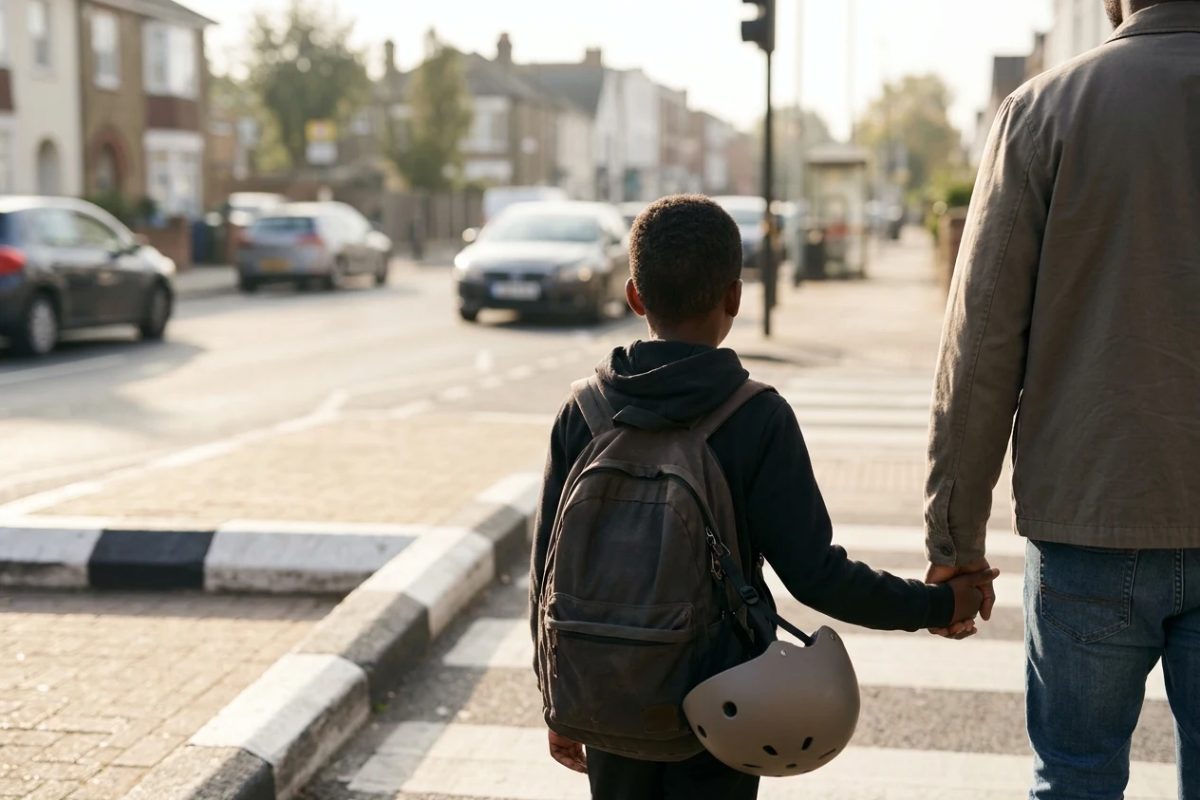
It's Saturday. You and three friends are heading into town for the first time on your own. Food, the shops, maybe a film.
Your carer asks the usual questions. Where are you going? Who with? How are you getting back?
You roll your eyes. "We'll be fine."
Then, at 8 o'clock, the last bus is cancelled. One friend's phone is dead. Another has gone off with someone else. Suddenly the plan matters a lot.
What goes in a plan?
Before you go, sort out four things.
- Who. Which friends are going, and who's in charge of what.
- Where. The places you're heading to, roughly in order.
- When. What time you'll be back, and when you'll check in.
- How home. The bus, a lift, walking together or a grown-up picking you up.
Share the plan with a grown-up at home. If the plan changes, tell them. Why? If something goes wrong, they know where to start looking.
How do I let someone know where I am?
Agree a check-in time, like a quick call or message at 7. If you don't have a phone, agree a time and place to be picked up instead. A friend's phone works too, if they don't mind.
Write one or two numbers on paper and keep them in a pocket. Phones die, get lost or run out of credit. Paper doesn't.
How do I get home safe?
Stick together. Leave together. Nobody walks home alone. In a group, there's always someone to help or call for help.
If you're getting a lift, only go with someone you know and trust. Skip any lift with a driver who's been drinking or taking drugs.
If you have bus fare, keep it somewhere separate so you don't spend it. And agree a code word with your family. If you text or say it, they'll come and get you, no questions asked. It lets you ask for help without anyone around you knowing.
What if something goes wrong?
Stay calm and stay together. Go somewhere busy and well lit, like a shop or a station. More people can see you there, and more people can help. Ask someone working there for help.
If anyone is hurt or in danger, call the emergency number where you live (like 112, 999 or 911). Tell them your location as clearly as you can.
Easy to get wrong
- Leaving a friend behind because they want to stay. Agree a "we all go home together" rule.
- Only having numbers on your phone. Write one down.
- Changing plans without telling anyone at home.
Everyone starts from a different place
Some people have their own phone and money for the bus. Some don't. Some live in a big city and some in a small village. Some have grown-ups who can pick them up, and some don't.
Make the plan fit your life. Walking home with a friend, a meeting point and one number on paper is a great start.
Questions you might have
Why does my family want to know where I am?
So they can help fast if something goes wrong. The European 112 group says giving your location clearly is one of the key things to tell emergency services.
What time should I be home?
That's for you and your family to agree. Sleep matters too. The CDC in the US says people aged 13 to 17 need 8 to 10 hours a night. Late nights add up.
What if a friend wants to get in a car with a drunk driver?
Try to stop them and offer another way home. In one US survey, about 16 in every 100 high school pupils had done this. That was in just one month.
What if a friend drinks too much?
Stay with them and get help. The NHS says to call the emergency number if someone passes out, has a fit or has slow breathing. Don't leave them on their own.
Do emergency calls cost money?
No. You can call 112 for free from any landline or mobile anywhere in the EU. The 112 line runs day and night. Find out yours before you go out.
What if someone older starts paying me lots of attention?
Be careful if they give gifts, ask you to keep secrets or want you alone. The NSPCC says this can be grooming. Tell a grown-up you trust. You can also find help at findahelpline.com.
Related topics
Getting around on your own · Alcohol · Drugs · When someone older wants a favour or a secret · In an emergency
Collect the Be brave cards6 cards for this rule. Tap, try it, collect it.See the cardsSources
- EENA (European Emergency Number Association), "What's 112 all about?", checked 2026
- European Union, Your Europe, "Single emergency number - missing children helpline", checked 2026
- CDC, "About Sleep", for 8 to 10 hours at ages 13 to 17, checked 2026
- CDC, "About Underage Drinking", for the 16 in 100 figure (2023 Youth Risk Behavior Survey), checked 2026
- NHS, "Alcohol poisoning", checked 2026
- NSPCC Learning, "Grooming: recognising the signs", checked 2026
This is part of Be brave, one of the 7 BELIEVE rules. Article 24 of 191.